
Groundwater control, ground stability, and structural protection are among the key technical challenges in tunnelling and underground construction. Complex geological conditions, groundwater pressure, and construction-related impacts can lead to water ingress, structural cracking, or the formation of voids requiring specialised treatment….
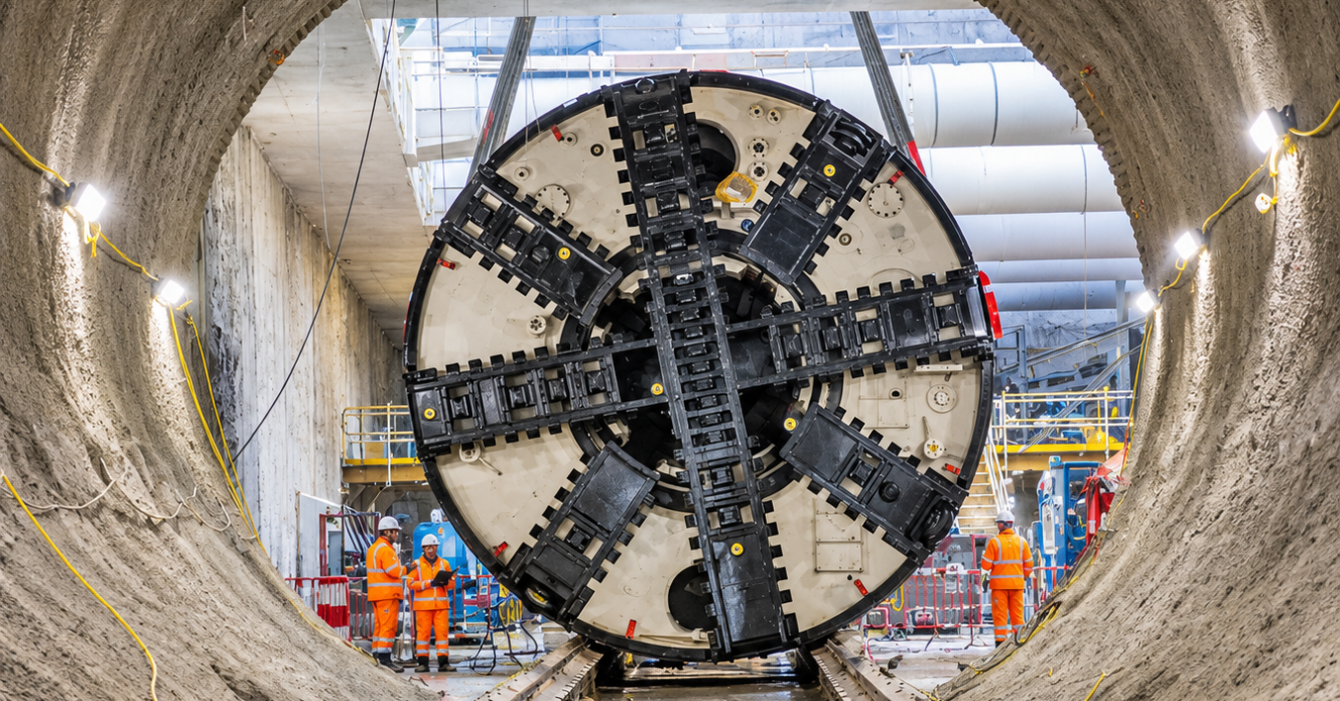
TBM Tail Seal Grease – Advanced Sealing Technology for TBM Shield Tail Protection
The shield tail is a critical area of a Tunnel Boring Machine (TBM), where effective sealing must be maintained to prevent groundwater, soil particles, and annulus grouting materials from entering the machine. To meet this requirement, TBM tail seal grease is…
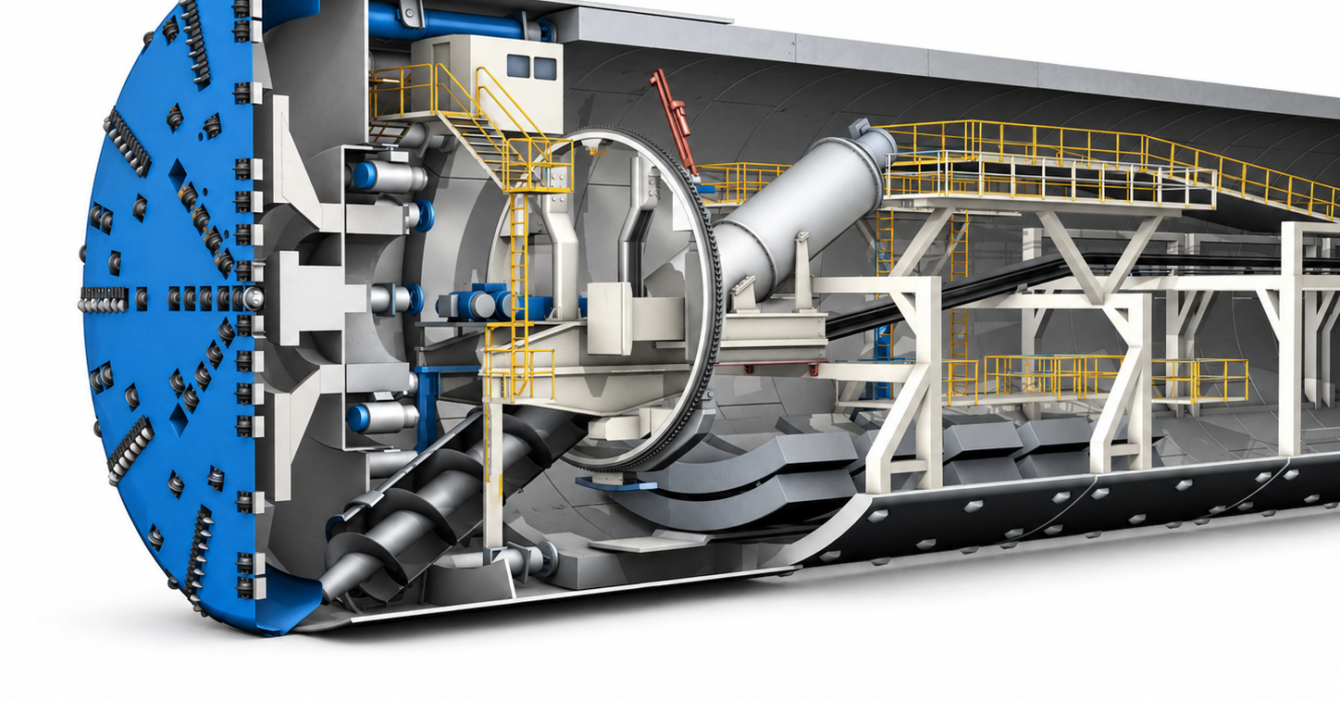
TBM Lubricating Grease – A solution for the lubrication and sealing of TBM main bearings
In a tunnel boring machine (TBM), the main bearing is one of the most critical mechanical components, designed to withstand substantial loads while supporting the rotational movement of the cutterhead. To ensure stable and continuous TBM operation, protecting the main bearing…
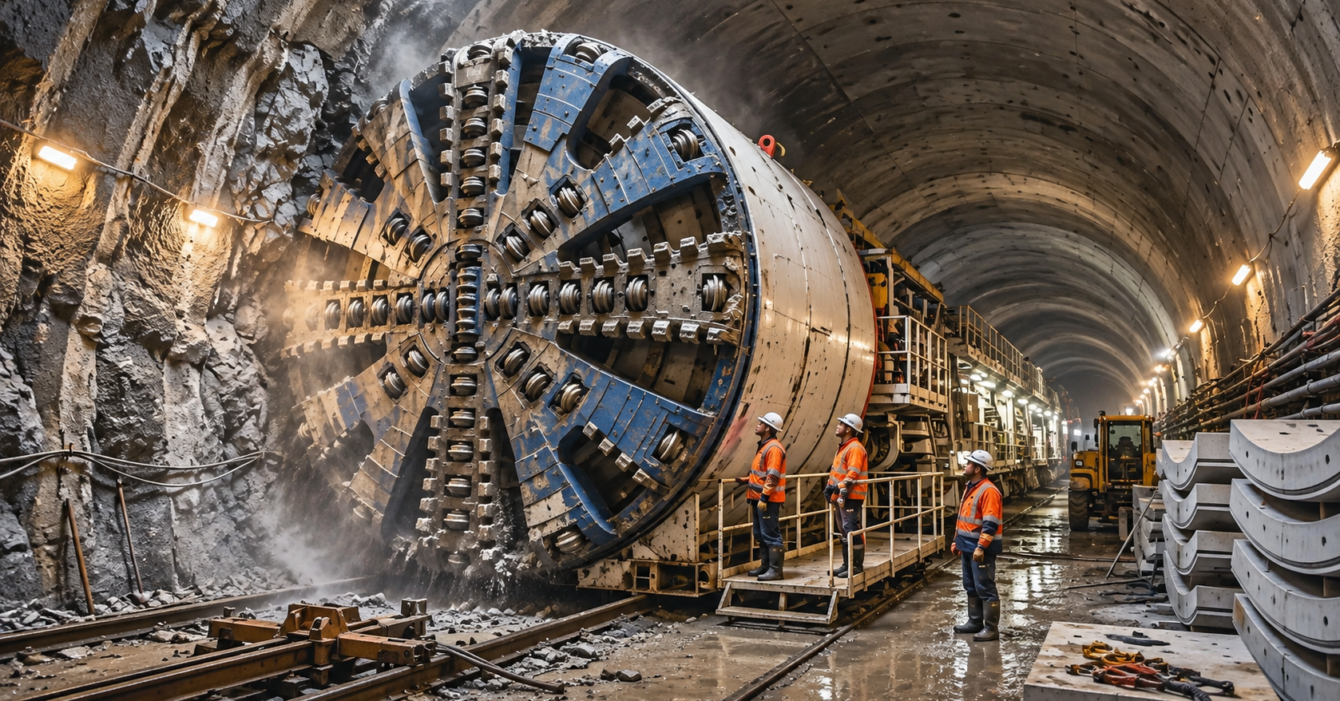
Common Technical Challenges in TBM Tunnelling and Effective Control Solutions
Tunnel boring machines (TBMs) are essential equipment in many modern tunnelling projects, from metro systems and railway tunnels to large-scale underground infrastructure. By mechanising excavation and segmental tunnel lining installation, TBM technology offers significant advantages in productivity, precision and the ability…
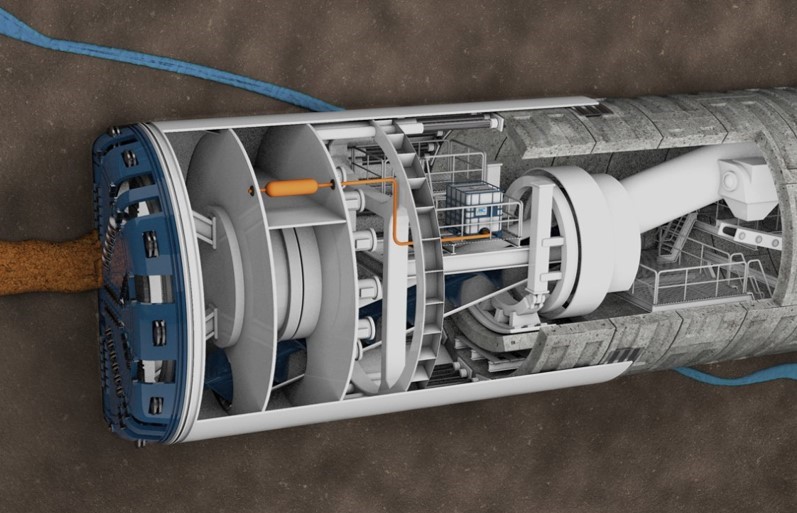
TBM Annulus Grouting: Role and Solutions in TBM Tunnelling
Behind every advance of a Tunnel Boring Machine (TBM) lies a series of technical operations that must be precisely coordinated to ensure tunnel stability. Among these, TBM annulus grouting, also known as backfill grouting, plays a critical role in filling the…
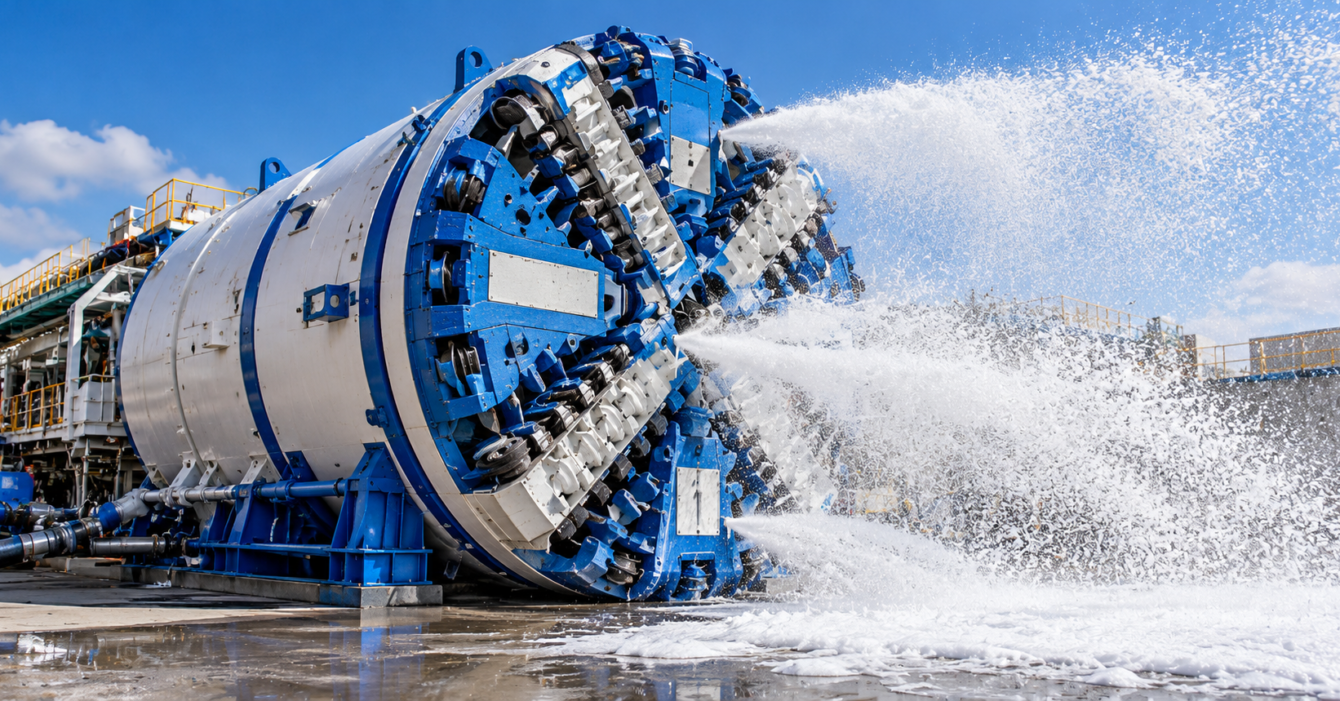
TBM Foaming agents: From Technical properties to Application performance in TBM Tunnelling
What determines the performance of TBM foaming agents, and why can the same foaming agent deliver significantly different soil conditioning results under different tunnelling conditions? How can this performance be evaluated and controlled in practical applications? In practice, the effectiveness of…