In transportation infrastructure, bridges not only connect roads but also contribute to maintaining economic activity, trade, and social life. However, under the continuous impact of traffic loads, environmental conditions, and material aging, bridge structures can gradually deteriorate over time.
To ensure safe operation and extend the lifespan of the structure, choosing appropriate solutions for repairing, protecting concrete, and waterproofing is especially important. With the technological foundation and over 60 years of international experience from the MC-Bauchemie Group (Germany), MC-BIFI Bauchemie offers specialized construction chemical solutions for bridge construction, meeting diverse technical requirements for repairing, protecting, and enhancing the long-term durability of structures.
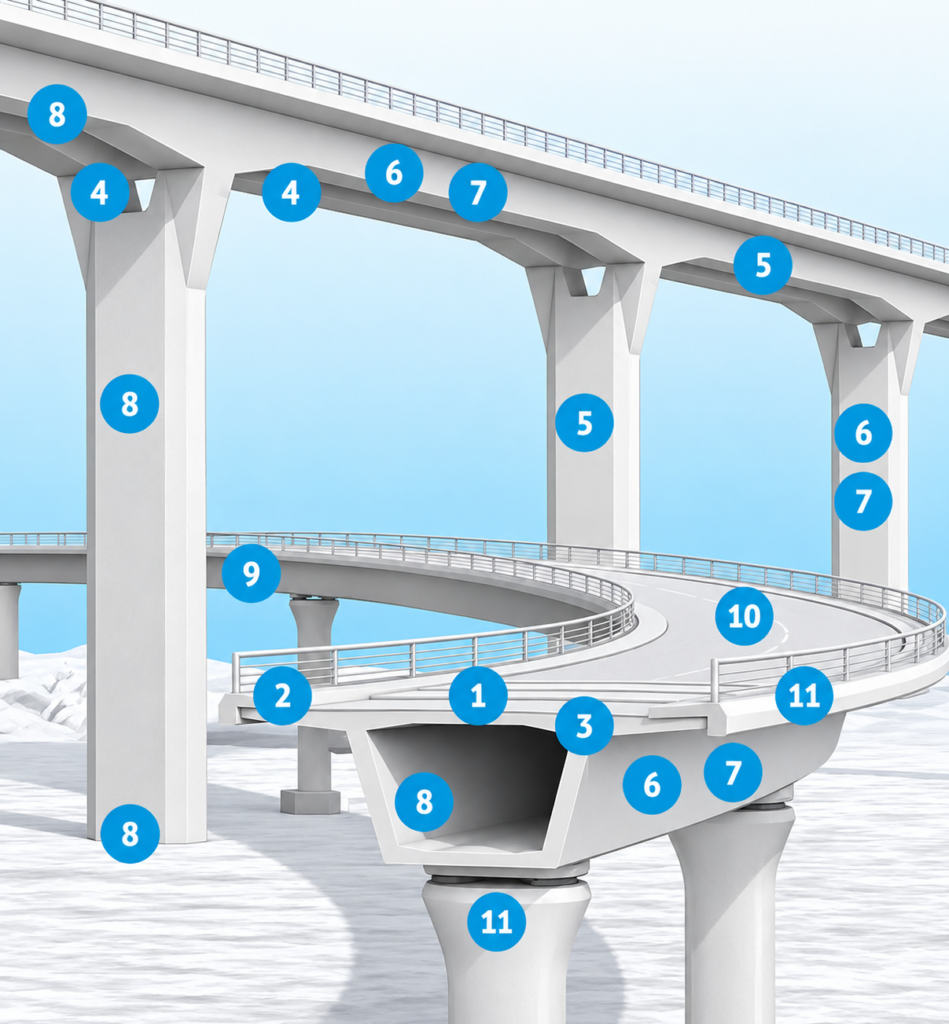
REPAIR TASKS AND PRODUCT SOLUTIONS
MC-Bauchemie’s versatile product systems offer comprehensive solutions for all technical and design requirements in bridge construction, whether for concrete repair, surface protection, structural reinforcement or waterproofing.
- Bridge deck waterproofing
- Bridge parapet protection and repair
- Bridge deck protection and repair
- Protection and repair of bridge undersides, columns and abutments
- Structural strengthening with CFRP lamellas and CF sheets
- Preventive surface protection
- Surface protection with increased impermeability
- Injection for strength enhancement and waterproofing
- Durable asphalt pavement transitions
- Surface protection and improved pavement skid resistance
- Grouting concrete and tamping mortar
Why do bridge structures need regular protection and maintenance?
Bridge structures are typically designed to meet long-term operational requirements. However, the durability of the structure depends not only on the quality of the initial design and construction but also significantly on actual operating conditions.
Traffic loads and Environmental impacts
Increased traffic volume, axle loads, and frequency of operation mean that many bridge structures must operate under increasingly demanding conditions. Especially for bridges that have been in use for decades, the actual loads can differ significantly from the assumptions made at the time of design.
Besides mechanical impacts, bridge structures are also frequently exposed to environmental factors such as humidity, rainwater, temperature fluctuations, exhaust fumes, salt, and corrosive agents.
In coastal areas, chloride ions from the saltwater environment can penetrate the concrete, increasing the risk of steel reinforcement corrosion. Meanwhile, in urban or industrial areas, the carbonation of concrete can also degrade the natural protective capacity of the concrete layer for the reinforcing steel.
These impacts occur continuously and accumulate over time, making structural protection a critical requirement in the management and operation of bridge structures.

Factors causing damage and degradation of concrete bridge structures
Reinforced concrete has high load-bearing capacity and durability when properly designed, constructed, and protected. However, during use, environmental factors can penetrate through pores, cracks, or areas where the concrete has deteriorated.
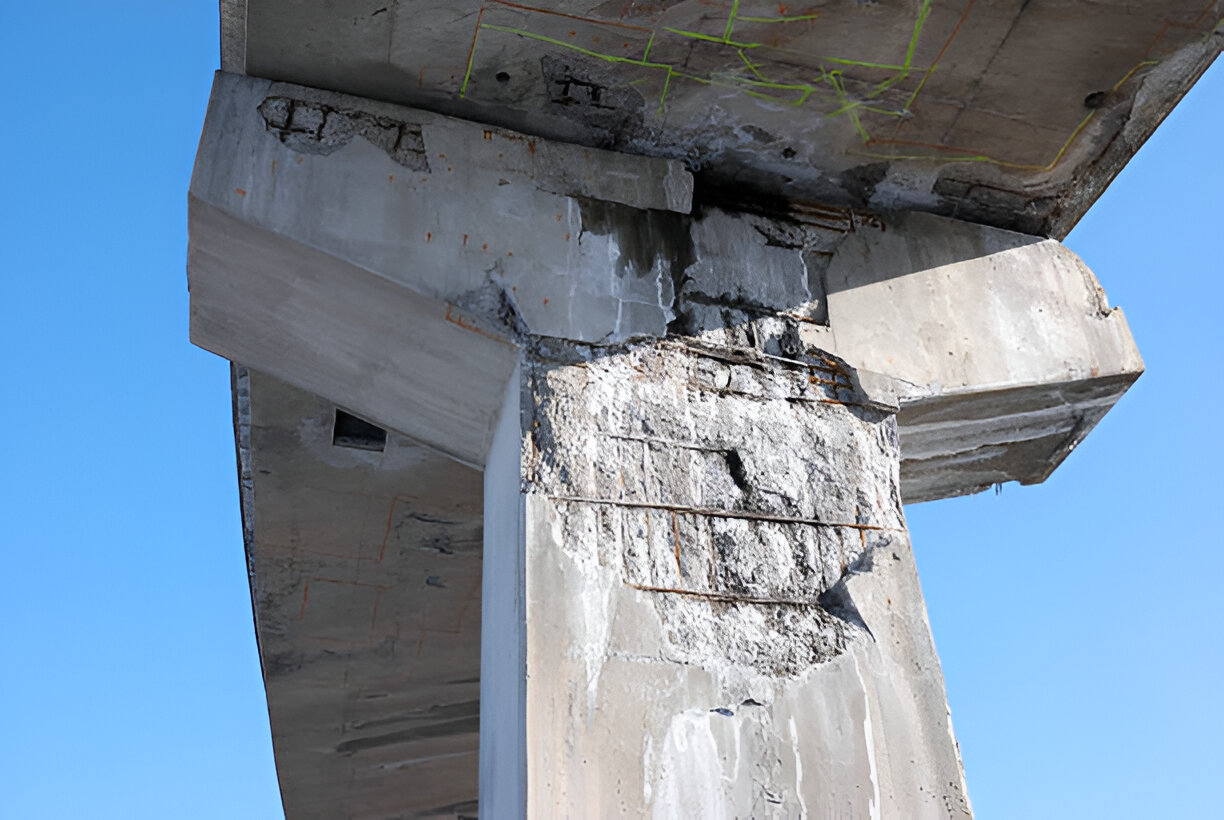
When the protective concrete layer is no longer effective, corrosive agents can reach the steel reinforcement. Corrosion produces rust products with a volume greater than the original steel, causing internal stress and leading to cracking, spalling, or fracture of the protective concrete layer.
This can become a continuous degradation process: cracks allow water and other corrosive substances to penetrate deeper, thereby accelerating the development of damage.
In addition, repeated impacts from traffic loads, shrinkage, thermal deformation, or structural displacement can also contribute to crack formation and development.
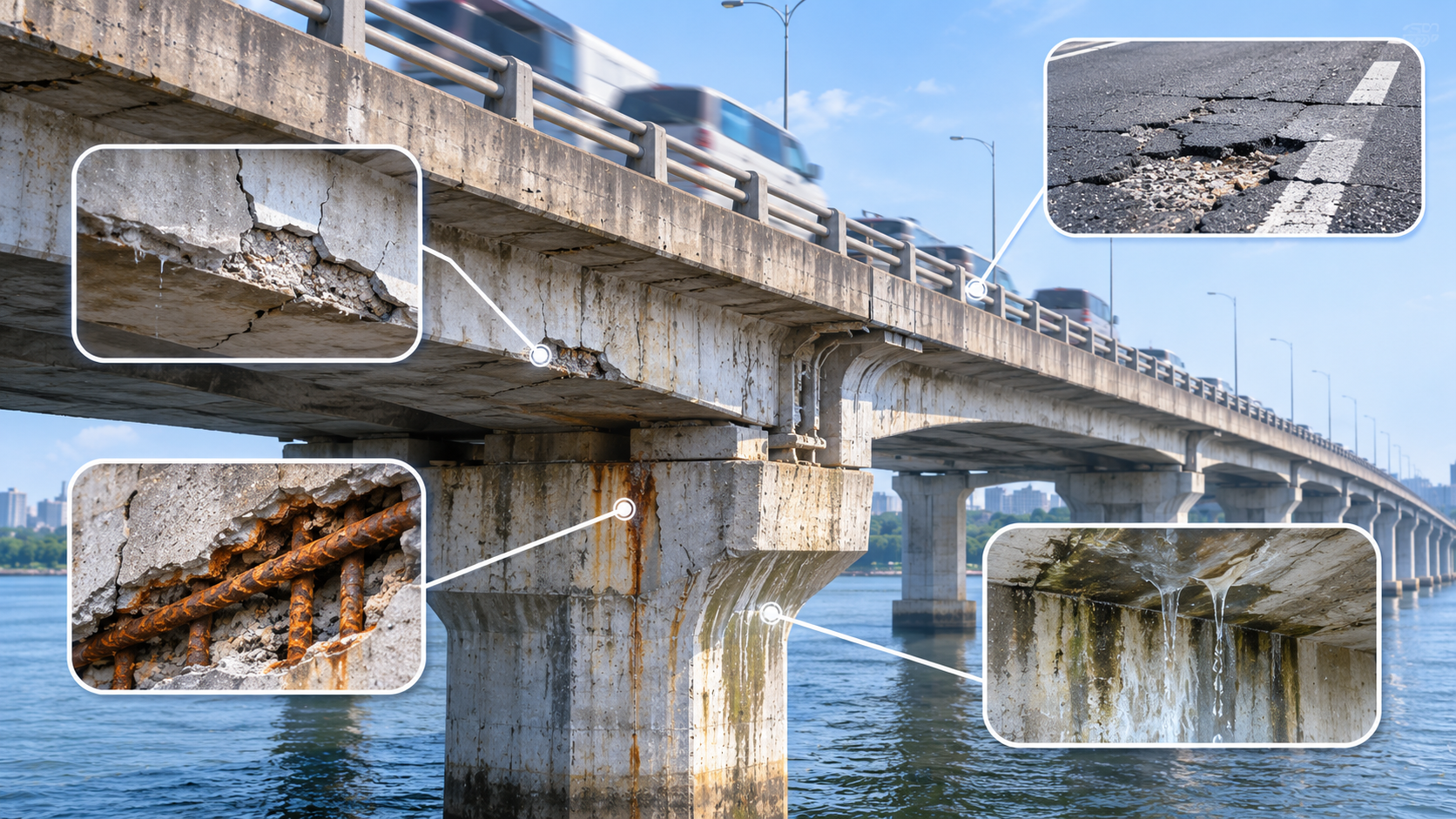
Common damages in Bridge structures
Each bridge structure has different structural characteristics, environmental conditions, and operating regimes. However, some common types of damage can be identified through the condition of the concrete surface, the appearance of cracks, signs of water seepage, or deterioration of the protective layer.
Cracking and spalling of concrete
Cracks can appear on the bridge deck, beams, piers, abutments, or other locations affected by stress and deformation.
The causes of crack formation are quite diverse, ranging from shrinkage, temperature fluctuations, load effects to steel corrosion or issues related to design and construction. Not all cracks directly affect the load-bearing capacity of the structure. However, even non-structural cracks can create pathways for water and corrosive agents, reducing the long-term durability of the concrete.
As damage develops, the surface may exhibit spalling, pitting, or loss of the protective concrete layer, making the internal reinforcement more vulnerable. Therefore, repairs should begin with identifying the cause, assessing the extent of the damage, and selecting the appropriate treatment method, rather than simply patching the visible surface damage.
Reinforcement corrosion
Reinforcement corrosion is one of the significant long-term degradation mechanisms for reinforced concrete and prestressed concrete bridge structures. Under normal conditions, the alkaline environment of the concrete helps form a passive protective film on the reinforcement. However, when chloride ions penetrate or carbonation reduces the alkalinity in the reinforcement area, this protective layer can be broken. The consequences are not only a reduction in the steel cross-section but also potential cracking and spalling of the concrete due to the expansion of corrosion products.
For structural elements showing signs of corrosion, repair options often require consideration of the condition of the reinforcement, the concrete cover, and the potential for continued exposure to damaging agents.
Water seepage and degradation of protective coatings
Water is one of the factors that significantly affects the long-term durability of bridge structures, especially when combined with agents such as chlorides or corrosive compounds. Seepage can occur at cracks, joints, drainage areas, or locations where the waterproofing and surface protection systems are no longer effective. For bridge decks, water penetration through damaged protective layers can affect the subbase concrete and underlying components.
Therefore, waterproofing solutions should be selected as part of an overall protection system, taking into account water exposure conditions, displacement characteristics, loads, and the structure of the superstructure.
Damage to load-bearing surfaces
Surfaces frequently subjected to mechanical stress, such as walkways, vehicle lanes, or mining surfaces, may experience abrasion, cracking, peeling, or degradation of the coating quality.
Depending on the location and structure, the protective layer may need to meet multiple requirements simultaneously, such as adhesion, abrasion resistance, slip resistance, waterproofing, and adaptability to substrate deformation. This indicates that a suitable material system not only needs to provide good protection but also be compatible with the specific mining conditions of each area.
Factors to consider when choosing materials for Bridge repair and Waterproofing
In bridge repair and protection, the effectiveness of the solution depends on correctly identifying the technical problem, selecting compatible material systems, and properly controlling the construction process.
A thorough assessment of the structure’s actual condition is necessary. Factors such as the cause of cracking, the degree of concrete deterioration, the condition of reinforcing steel corrosion, moisture content, and load-bearing capacity should be considered before deciding on a repair plan. For damage affecting structural safety, the assessment should be carried out by a competent professional.
Next is the compatibility between the repair material and the underlying concrete. Characteristics such as strength, elastic modulus, adhesion, shrinkage, and performance under environmental influences can directly affect the long-term effectiveness of the repair system.
For injection molding solutions, it is necessary to clearly distinguish between sealing and water control objectives and structural bonding or reinforcement objectives. Materials with effective water-blocking capabilities are not necessarily suitable for restoring the load-bearing capacity of structural elements.
Environmental conditions and application location are also important factors. Bridge pier surfaces exposed to water, girder undersides, bridge decks subjected to traffic loads, or coastal areas may require different material properties.
In addition, consideration should be given to construction time requirements, traffic closure or restriction conditions, construction methods, curing time, and future maintenance requirements.
Finally, product selection should be based on the technical specifications, applicable standards, and design requirements of each project. Material systems that have been tested according to relevant standards, such as the EN 1504 standard for products and systems for the protection and repair of concrete structures, can provide a useful technical basis for evaluation and selection.
An effective solution should not only address the existing damage but also contribute to limiting the risk of recurrence under actual operating conditions.
MC-BIFI Bauchemie – Specialized construction chemical and material solutions for Infrastructure projects
With advanced technology and over 60 years of international experience from the MC-Bauchemie Group (Germany), MC-BIFI Bauchemie offers specialized chemical and construction material solutions to meet diverse technical requirements for repairing, protecting, and enhancing the longevity of bridges and transportation infrastructure. The solution portfolio includes concrete repair materials, injection molding technology, surface protection coatings, and specialized treatment materials.
With a focus on developing solutions tailored to specific technical requirements and application conditions, MC-BIFI emphasizes material selection based on structural characteristics, damage types, and operational conditions. This ensures solutions not only address existing problems but also enhance structural protection against adverse impacts, aiming for efficiency and long-term durability.
1. Repair and restoration of Bridge concrete structures
During operation, components such as girders, piers, abutments, and the underside of bridge slabs may experience spalling, pitting, or deterioration of the protective concrete layer. For these areas, repair aims not only to restore the original shape but also to ensure compatibility between the new material and the existing concrete structure.
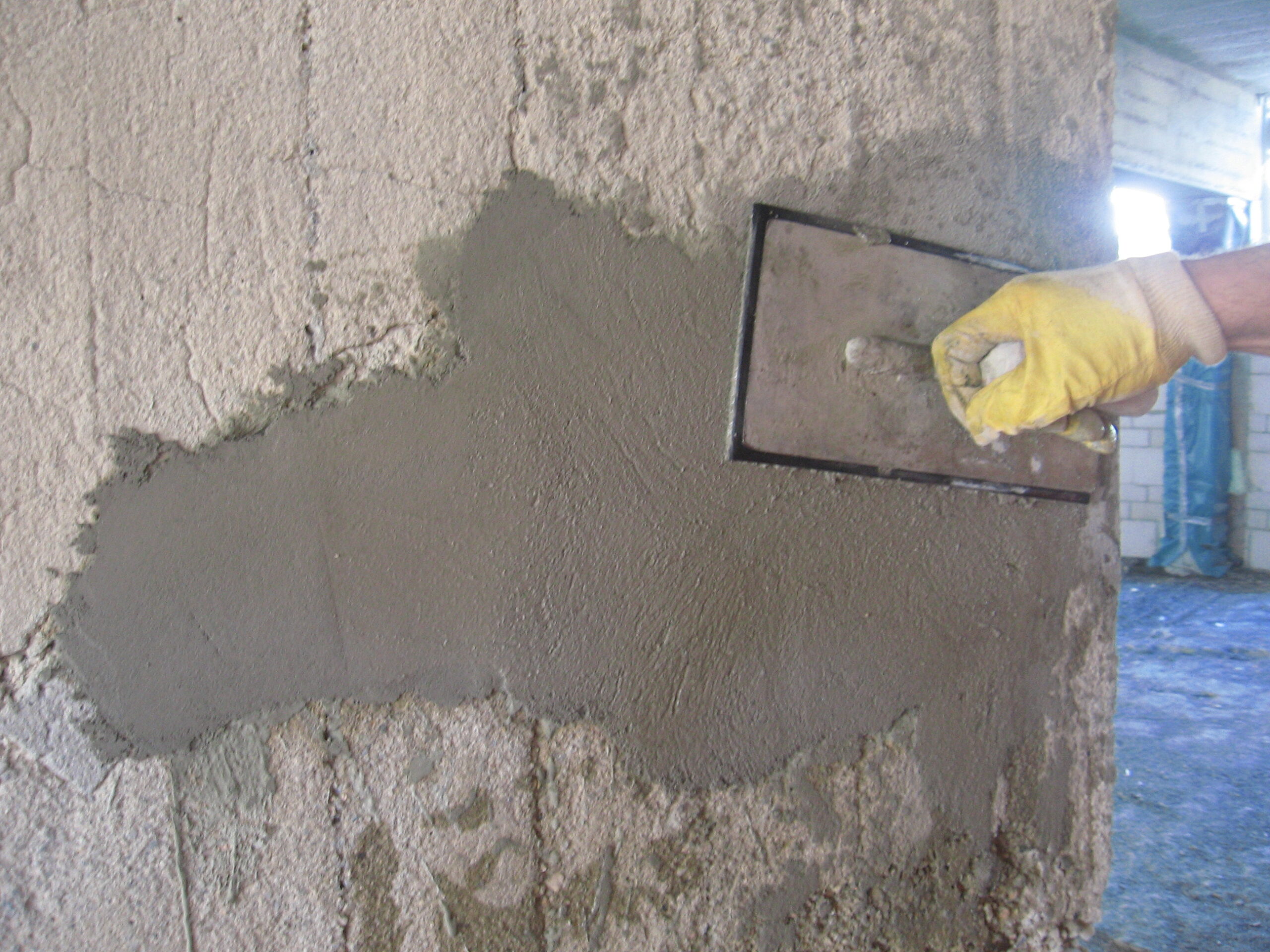
MC-BIFI Bauchemie’s Nafufill material systems is developed for repair and restoration applications of reinforced concrete and prestressed concrete. Polymer-modified cement-based repair mortar systems, including PCC and SPCC solutions, can meet various requirements regarding application methods, application locations, and repair scale.
For hard-to-reach areas, elevated surfaces, or large repair areas, spray grouting can offer significant advantages in efficiency and timeliness. Choosing the right materials and construction methods helps restore damaged concrete, improve reinforcement protection, and ensure the success of subsequent protective coatings.
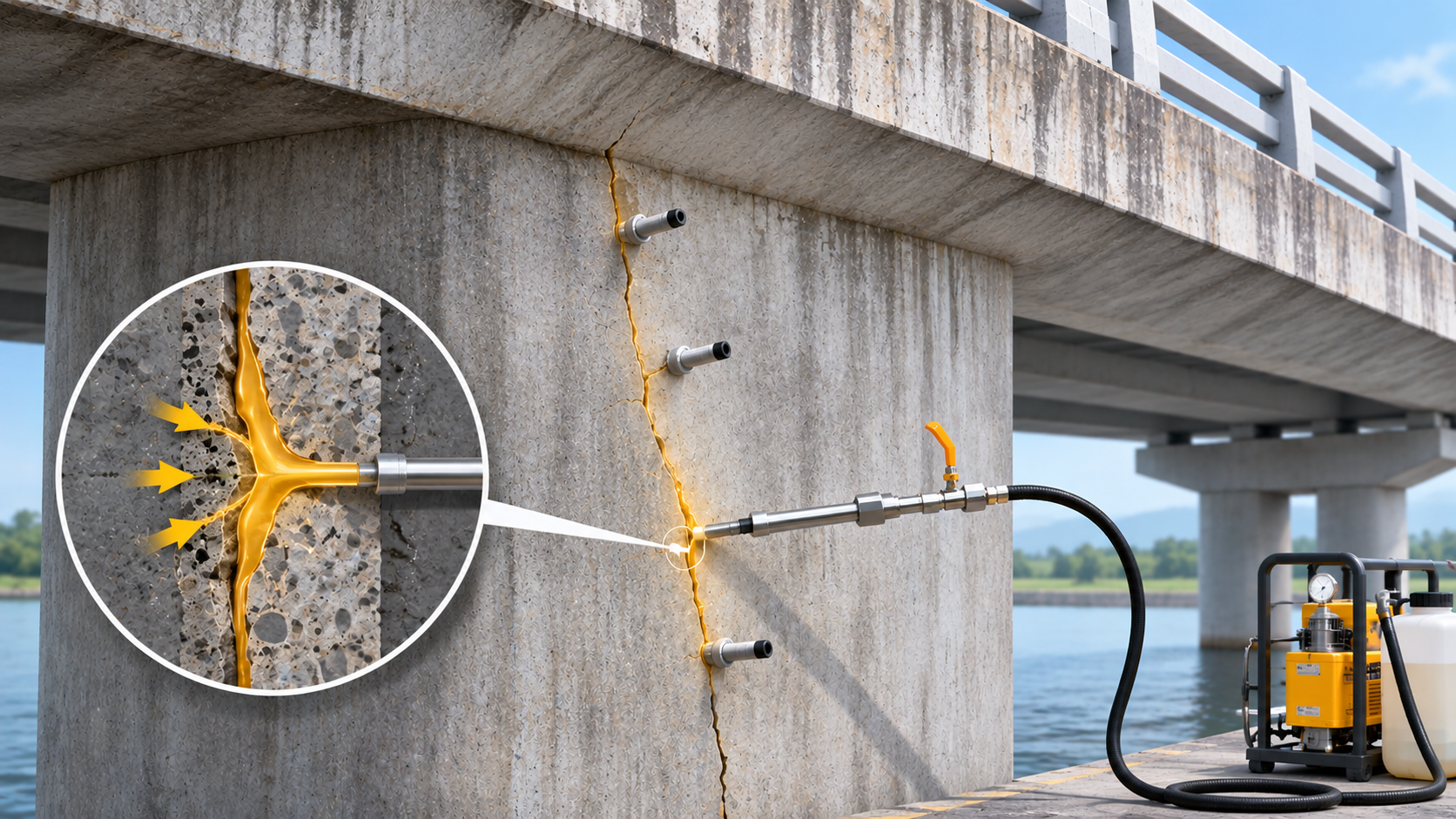
2. Injection systems for crack repair, sealing, and structural strengthening
Cracks and voids within concrete structures can allow water and other corrosive agents to penetrate, affecting the long-term durability of the structure. Depending on the cause and extent of damage, each location may require a different treatment objective.
Injection technology allows specialized materials to be introduced into cracks, gaps, or voids within structural elements through a controlled pressure injection system.
For bridge structures, the selection of a suitable injection molding system should be based on the crack characteristics, water permeability conditions, displacement capacity, and technical requirements of each structural element. Depending on the treatment objective, the solution may focus on sealing, water control, or bonding and strengthening the structure. In particular, for cracks that could affect the structural integrity, a thorough technical assessment and determination of appropriate repair methods will contribute to ensuring effective repairs and the long-term durability of the structure.
3. Protecting Bridge concrete surfaces from environmental impacts
Even without visible damage, bridge concrete structures are constantly exposed to moisture, CO₂, and corrosive agents, which can degrade their durability over time. Therefore, surface protection is crucial to limit the penetration of adverse factors and maintain structural quality.
MC-BIFI’s MC-Color system is developed to meet the requirements for protecting concrete surfaces, limiting the impact of moisture, carbonation, and environmental factors, while also supporting crack coverage depending on the selected product system.
For bridge structures, the protective coating solution can be applied to piers, abutments, beams, and concrete surfaces directly exposed to the environment, depending on operating conditions and technical requirements.
4. Combining optimal protection with aesthetics
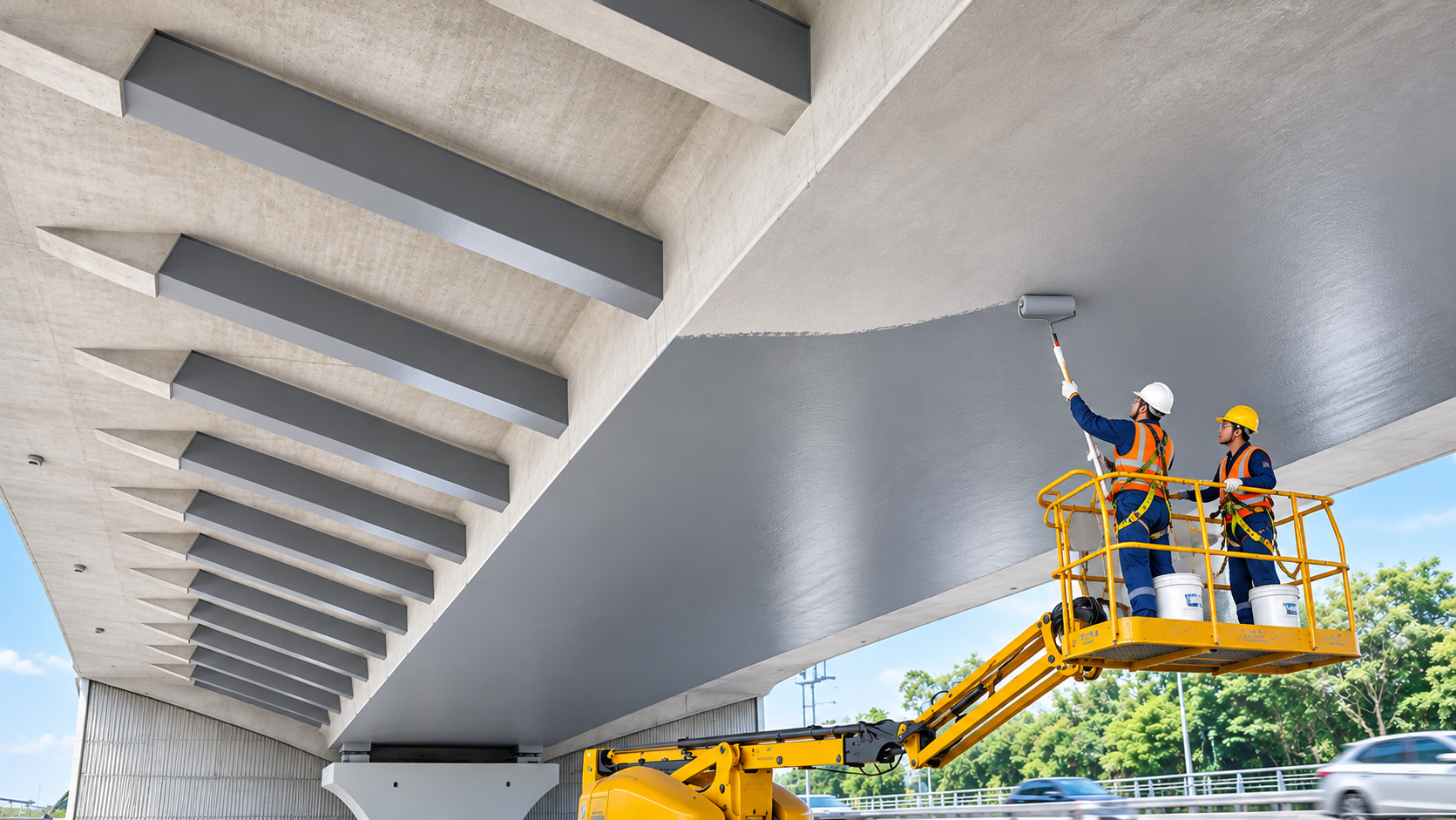
For bridge structures, protective coatings not only need to meet technical requirements but also contribute to maintaining the architectural appearance of the structure. In particular, urban overpasses, port bridges, or structures with significant landscape value often require a combination of long-term protection, color uniformity, and surface finish quality.
MC-Color Flex is one of MC-BIFI’s flagship solutions, a highly elastic, colored protective coating system developed to simultaneously meet the requirements of concrete protection and aesthetics.
The coating system helps protect the surface against environmental impacts such as salt, chloride, and carbonation, while providing options suitable for architectural finishing requirements.
5. Strengthening, protecting, and waterproofing Bridge decks
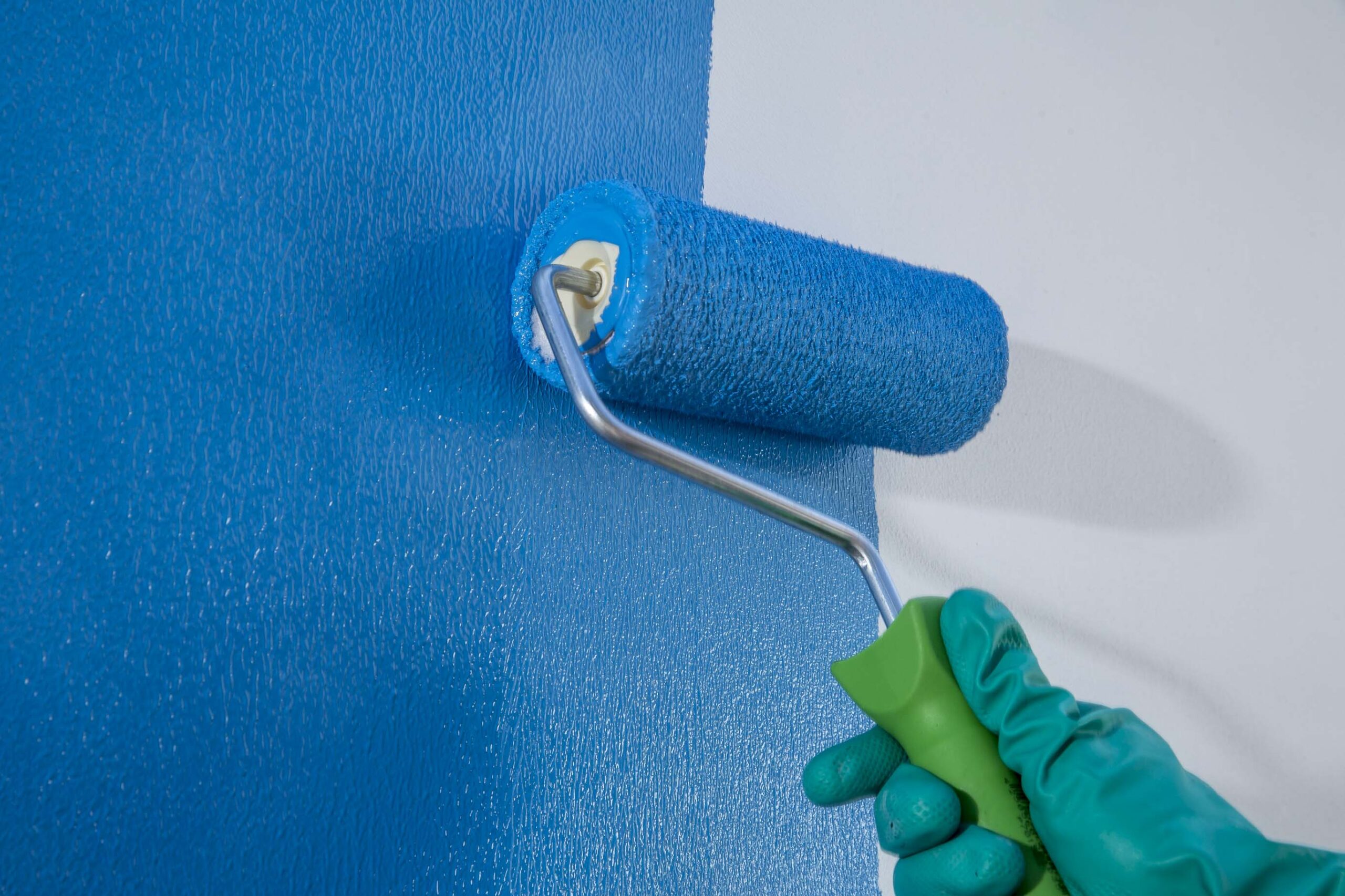
In bridge structures, the bridge deck is the area constantly subjected to traffic loads, humidity, rainwater, and environmental factors. Therefore, strengthening the concrete surface quality, limiting water absorption, and improving abrasion resistance are crucial in protecting and maintaining the long-term durability of the structure.
MC-Estrifan SI is a specialized penetrating solution from MC-Bauchemie, developed to improve cement-based surfaces such as concrete and mortar. Through its mechanism of penetrating the surface and reacting with the components in cement, the product significantly reduces surface porosity while improving the mechanical properties of the substrate.
Thanks to this mechanism of action, MC-Estrifan SI offers many benefits in strengthening and protecting concrete surfaces:
- Increased water resistance: Helps limit the absorption of water and moisture from the environment into the concrete surface.
- Improved mechanical strength: Increases tensile strength, tensile strength, and abrasion resistance of the cement-based surface.
- Enhanced chemical resistance: Contributes to improved surface protection against certain chemical agents under suitable application conditions.
Convenient application: Liquid solution, ready to use without mixing, suitable for impregnation application methods.
Meets technical standards: The product is certified to comply with EN 1504-2 for concrete surface protection systems.
Towards sustainable protection solutions for Bridge structures
In the context of an increasingly developing transportation infrastructure, maintaining the long-term durability and operational efficiency of bridge structures requires a proactive approach, based on technical principles and tailored to specific real-world conditions.
From concrete repair and crack treatment to surface protection and waterproofing, each solution plays a crucial role in protecting the structure from the impacts of loads and the environment.
With its German technology foundation, international experience, and specialized portfolio of construction materials from MC-Bauchemie, MC-BIFI partners with investors, consultants, and contractors in Vietnam in finding, evaluating, and selecting suitable solutions for bridge and transportation infrastructure projects.
Contact MC-BIFI for advice on concrete repair materials, injection molding technology, surface protection, and waterproofing solutions tailored to your project’s technical requirements!