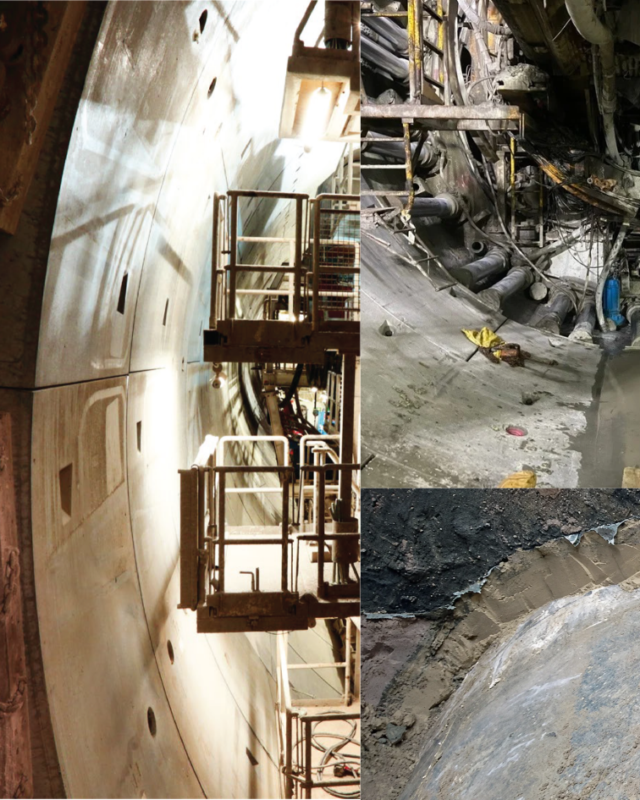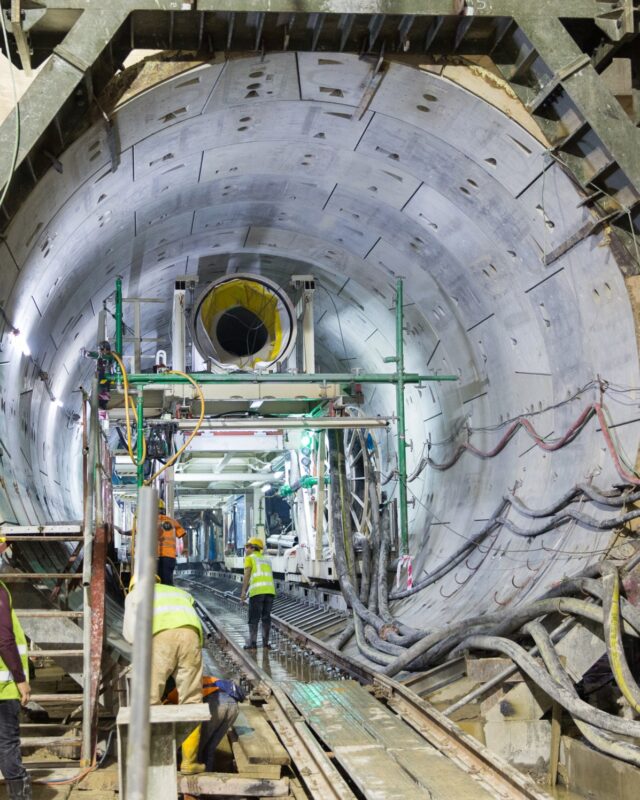
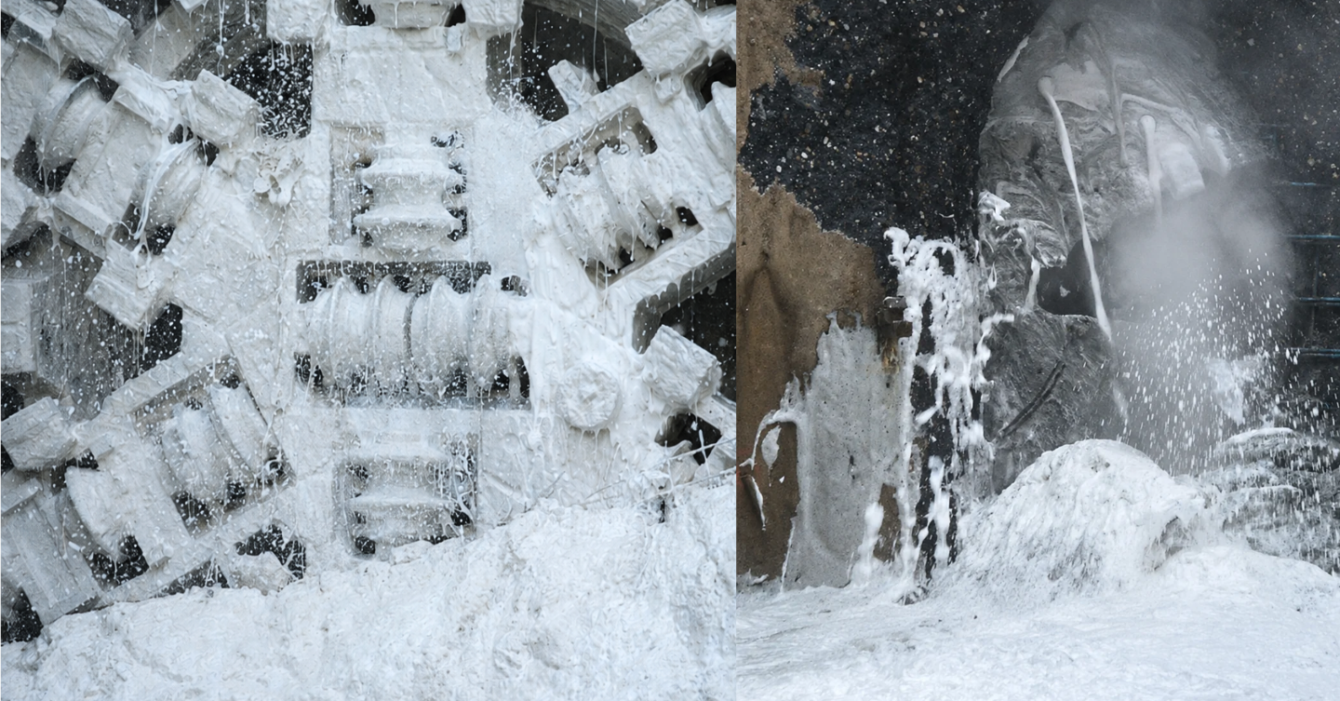
In Tunnel Boring Machine (TBM) tunnelling, the properties of excavated ground directly influence machine performance, face pressure control and overall excavation efficiency. Beyond technical performance, the environmental characteristics of soil conditioning additives and excavated materials are becoming increasingly important in underground infrastructure projects.
With extensive expertise in tunnelling and underground construction, MC Underground (MCU) provides specialised soil conditioning solutions for TBM applications. In addition to supporting operational efficiency, selected MCU soil conditioning products have undergone environmental testing and assessment in Europe, covering Readily Biodegradable, Water hazard classification and ecotoxicological properties.
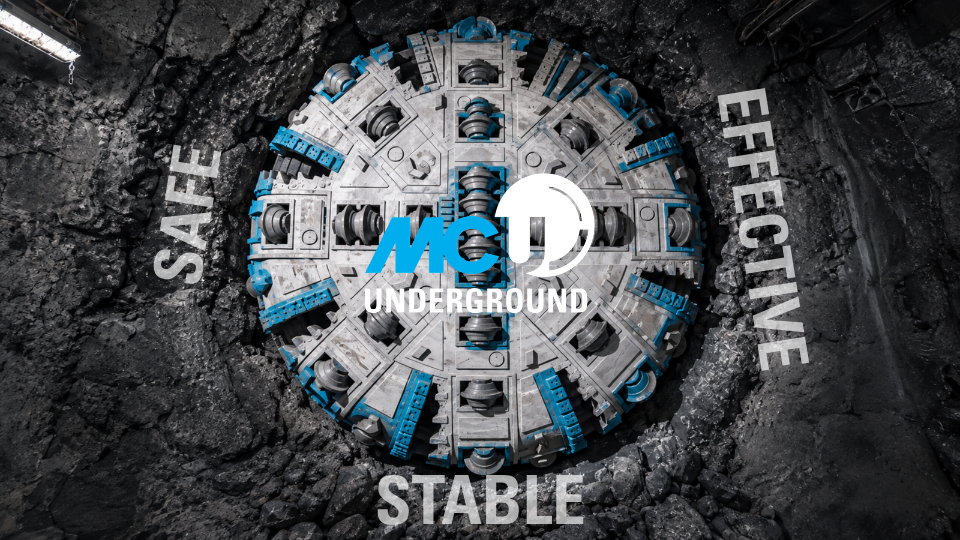
Why Is Soil Conditioning Essential in TBM Tunnelling?
In mechanised tunnelling, particularly with Earth Pressure Balance Tunnel Boring Machines (EPB TBMs), controlling the behaviour of excavated material is essential for efficient machine operation and stable excavation conditions.
Depending on the geological conditions, excavated soils may present challenges such as excessive cohesion, poor flowability, high friction or difficulties in material discharge and transportation. These factors can affect excavation efficiency, material handling and the ability to maintain consistent operating conditions.
Soil conditioning involves the application of specialised additives, including foaming agents and other conditioning agents, to modify and improve the properties of excavated material.
When properly selected and applied, soil conditioning solutions can help:
Improve the plasticity and homogeneity of excavated soil.
Support consistent soil behaviour within the excavation chamber.
Reduce friction and minimise adhesion under suitable operating conditions.
Facilitate excavated material discharge and transportation.
Contribute to stable and efficient TBM operation.
However, the effectiveness of individual soil conditioning solutions depends on geological conditions, soil characteristics, TBM configuration and actual operating parameters.
MCU Soil Conditioning Solution – Combining Technical Performance with Environmental Responsibility
MC Underground develops specialised chemical solutions and application technologies for mechanised tunnelling, with soil conditioning representing a key area of expertise.
Beyond improving the properties of excavated ground, understanding the environmental characteristics of conditioning additives is an important consideration. During tunnelling operations, these additives may remain in the excavated material transported out of the tunnel. Consequently, biodegradability and potential impacts on soil and aquatic environments are relevant factors in environmental assessments and material management planning.
Selected MCU soil conditioning products have been tested and evaluated by specialised institutions in Europe, providing technical data to support product selection and appropriate application in accordance with project-specific requirements.
Readily Biodegradable – Rapid biodegradability
Alongside operational efficiency, environmental considerations are receiving increasing attention in TBM tunnelling, particularly in major underground infrastructure projects with demanding sustainability requirements.
MC Underground offers advanced soil conditioning solutions designed to combine technical performance with favourable environmental characteristics. Among these, Readily Biodegradable is a particularly relevant property when evaluating the environmental profile of selected MCU soil conditioning products.
Readily Biodegradable is assessed using the internationally recognised OECD Test Guideline 301 F (Manometric Respirometry Test), which evaluates the biodegradation of substances under defined laboratory conditions. The resulting test data provide a scientific basis for assessing the biodegradation behaviour of the tested substances and contribute to a more informed understanding of their environmental characteristics.
Readily Biodegradable is an important consideration when selecting soil conditioning additives for TBM applications, particularly where environmental requirements associated with excavated materials must be addressed.By incorporating environmental performance data into the product evaluation process, tunnelling projects can better align technical requirements with responsible environmental management practices.
Water Environment Considerations – WGK 1 Classification under the German System
In addition to biodegradability, the potential impact of soil conditioning additives on water resources is an important consideration in TBM tunnelling and sustainable underground infrastructure development.
Selected MCU soil conditioning products have been assessed as WGK 1 (slightly hazardous to water) under Germany’s Water Hazard Class system (Wassergefährdungsklasse). WGK 1 represents the lowest of the three water hazard classes within the German classification framework. The WGK system is governed by the AwSV, the German Ordinance on Facilities for Handling Substances Hazardous to Water. It provides a regulatory framework for classifying substances according to their potential hazards to water resources.
The classification system is associated with the German Environment Agency (Umweltbundesamt – UBA), with relevant substance classification information accessible through the Rigoletto database. This established regulatory and technical framework provides an additional reference for evaluating the water-related environmental characteristics of MCU soil conditioning products.
Together with other environmental test results and assessments, such information supports informed product selection, responsible material management and the integration of technical performance with environmental considerations in underground construction.
Environmental Performance Evaluated by Specialised European Institutions
The environmental characteristics of selected MC Underground soil conditioning solutions have been examined through testing and assessment conducted by specialised institutions in Europe.
These evaluations cover different aspects of environmental performance and provide scientific data to support the technical documentation and assessment of the products.
Hygiene-Institut des Ruhrgebiets – Germany
This is a specialized German institute operating in the fields of hygiene, environmental science, and analytical and testing services. Leveraging its in-depth research and testing capabilities, the institute conducts assessments based on established technical methods and standards to generate scientific data for evaluating the properties of products and materials.
For MCU soil conditioning solutions, key testing parameters include biodegradability, ecotoxicity assessments regarding aquatic and soil organisms, and classification of aquatic environmental characteristics.
These results help establish a technical basis for evaluating the environmental impact of soil conditioning additives, thereby supporting the selection of solutions tailored to the specific requirements of each project.
DHI – Denmark
Originating in Denmark, this international organization specializes in providing research, consultancy, and technology solutions within the water, environmental, and ecosystem sectors. With expertise in environmental assessment and water resource management, DHI conducts research and supports the resolution of environmental challenges across various industrial and infrastructure fields.
In its assessments of MCU soil conditioning additives, DHI evaluated factors such as chemical composition, potential impacts on groundwater and surface water, and management protocols for excavated materials in tunneling projects. This approach provides an environmental perspective based on real-world application conditions, offering a professional basis for evaluating soil conditioning solutions in projects with strict environmental management requirements.
Test results and assessments from specialized European organizations not only strengthen the scientific basis of the product documentation but also demonstrate MCU’s commitment to the transparency and reliability of technical information. Consequently, customers gain valuable reference data when evaluating soil conditioning solutions for underground infrastructure projects with rigorous standards.
The Value of Environmental Performance Data in TBM Tunnelling Projects
In underground infrastructure construction, selecting an appropriate soil conditioning solution involves more than improving the mechanical and handling properties of excavated material.
Project stakeholders must also consider material management, chemical safety and applicable environmental requirements.
Environmental test data can support project owners, contractors and consultants in several important areas.
1. Evaluation and Selection of Soil Conditioning Additives: Information on biodegradability, ecotoxicity and water hazard classification provides additional technical evidence for assessing product suitability against project-specific requirements.
2. Excavated Material Management: Excavated material containing soil conditioning additives should be assessed and managed according to its characteristics, project conditions and relevant environmental requirements.
Environmental data can contribute to the development of appropriate handling and management strategies.
3. Technical Documentation and Project Compliance: Environmental test reports can serve as supporting documentation when project owners, consultants or other stakeholders request information about the environmental characteristics of soil conditioning additives.
4. Integrating Operational Efficiency with Environmental Management: Considering technical performance and environmental characteristics together provides contractors with a more comprehensive basis for selecting and implementing soil conditioning solutions throughout the tunnelling process.
MC Underground – Specialised TBM Soil Conditioning Solutions Backed by German Expertise
As a specialised business unit of MC-Bauchemie Group, Germany, MC Underground (MCU) delivers chemical solutions and application technologies for tunnelling and underground construction. Backed by more than 60 years of MC-Bauchemie’s experience in construction chemicals, a presence in over 50 countries and a global workforce of more than 3,500 employees, MCU combines international expertise with specialised technical capabilities.
For mechanised tunnelling applications, particularly Earth Pressure Balance (EPB) TBMs, MCU offers a comprehensive portfolio of soil conditioning solutions designed to address varying geological conditions, excavated material properties and operational requirements:
- Clay and sandy soils: MC-RheoClay® (with anti-clay-adhesion additives); MC-RheoSand® and polymers to improve the structure and water retention of excavated soil.
- Gravel, hard rock, and highly cohesive soils: MC-SolidFoam® – a specialized foaming solution to assist with soil conditioning.
- TBM start-up phase: MC-ArtSoil® and MC-StartupFoam® – specialized solutions to support the start-up process.
- Foam control: AFCS (Automatic Foam Control System) to manage the foaming process during operation.
MC Underground’s strength extends beyond its specialised product portfolio. By combining chemical technologies, application expertise and technical know-how, MCU provides integrated soil conditioning solutions to address the diverse geological and operational challenges encountered in TBM tunnelling.
📍 Contact MC-BIFI for technical consultation and guidance on selecting suitable MC Underground solutions for your geological conditions, TBM configuration and project requirements.
📞 (+84) 024 3775 5312
📩 info@mcbifi-bauchemie.vn